
When to Have Your Diesel Engine Checked: Key Warning Signs
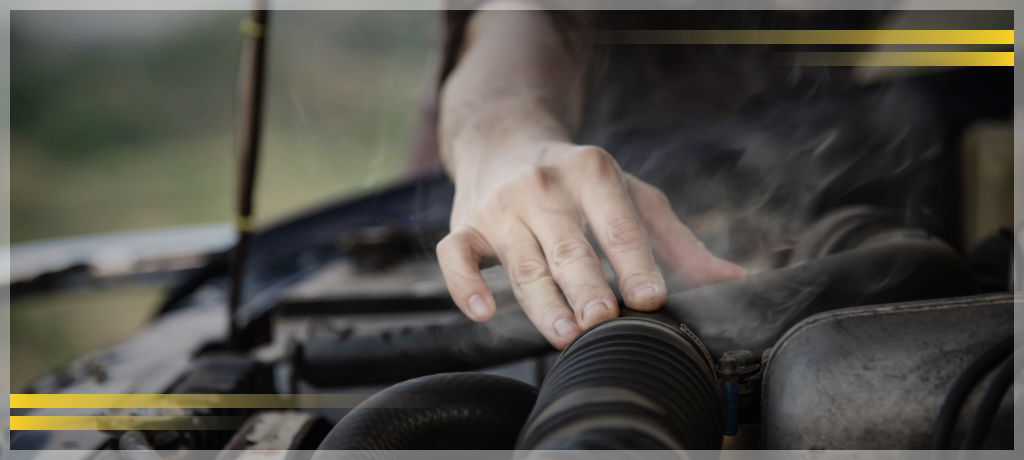
Diesel engines are renowned for their sturdiness and reliability, but even the toughest machines need regular check-ups to keep running at their best. Over time, your diesel engine may encounter minor issues which, if ignored, could grow into major headaches with expensive repair bills. If you notice signs like strange noises, unexpected vibrations, or a noticeable drop in fuel economy, it’s time to give your engine some attention. Difficulty starting the engine, persistent exhaust smoke, or indicators of internal wear—such as oil sludge and metal shavings—are key signals to watch for. Acting promptly on these signs will keep your diesel vehicle running smoothly and safely, helping you avoid unnecessary downtime and ensuring your engine enjoys a long, productive life.
Strange Noises or Vibrations
If your diesel engine starts producing noticeable clicking, knocking, or grinding sounds, it’s usually trying to tell you something important about its internal components. These noises often flag up issues like early wear or damage in essential parts such as the timing system or fuel injectors. Similarly, odd vibrations while the engine’s running might indicate trouble with bearings or injectors gone faulty. Ignoring these signs doesn’t just lower your engine’s performance—it could lead to even more severe and expensive problems further down the line. To steer clear of these risks, it’s a good idea to get these unusual noises or vibrations promptly checked by a knowledgeable diesel mechanic in Townsville.
Difficulty Starting or Reduced Power
If your diesel engine is giving you trouble starting, it could be down to several issues, such as clogged fuel filters, faulty injectors, or tired glow plugs. Blocked fuel filters slow down the fuel supply, interrupting the vital combustion process needed for an effective start-up. Similarly, injectors that aren’t working as they should can throw off the timing and amount of fuel reaching your engine, while worn-out glow plugs won’t provide sufficient warmth to fire up easily, particularly on colder mornings.
Experiencing a noticeable drop in power, especially when pulling a trailer or climbing hills, is another clear sign your diesel might be struggling with its fuel delivery system or a turbocharger that isn’t up to scratch. If the engine can’t get enough fuel or air under pressure, it simply won’t perform as well as it should. Getting your engine properly checked with thorough diagnostics will pinpoint the issue, whether it’s fuel pressure problems or a turbocharger in need of attention. Sorting these issues early will quickly get your diesel back up to peak performance.
Excessive Exhaust Smoke
Seeing excessive exhaust smoke is a definite signal your diesel engine might be facing significant internal issues. If you’re noticing thick black smoke, that’s often because there’s too much fuel mixing with air, causing incomplete combustion. This can leave behind unburned diesel that reduces your engine’s efficiency considerably.
Blue smoke is another warning, typically pointing to oil finding its way into the combustion chambers. Usually, this happens because of worn valve seals or worn-out piston rings, both of which can significantly affect your engine’s lubrication and overall performance.
And if you’re spotting white smoke, it’s quite likely coolant is seeping into the cylinders. This sort of leakage can quickly lead to overheating and even bigger mechanical headaches if not tackled swiftly.
Identifying these problems early will save you from larger, costlier repairs down the track, keeping your diesel engine running reliably and efficiently.
Oil Sludge or Metal Shavings
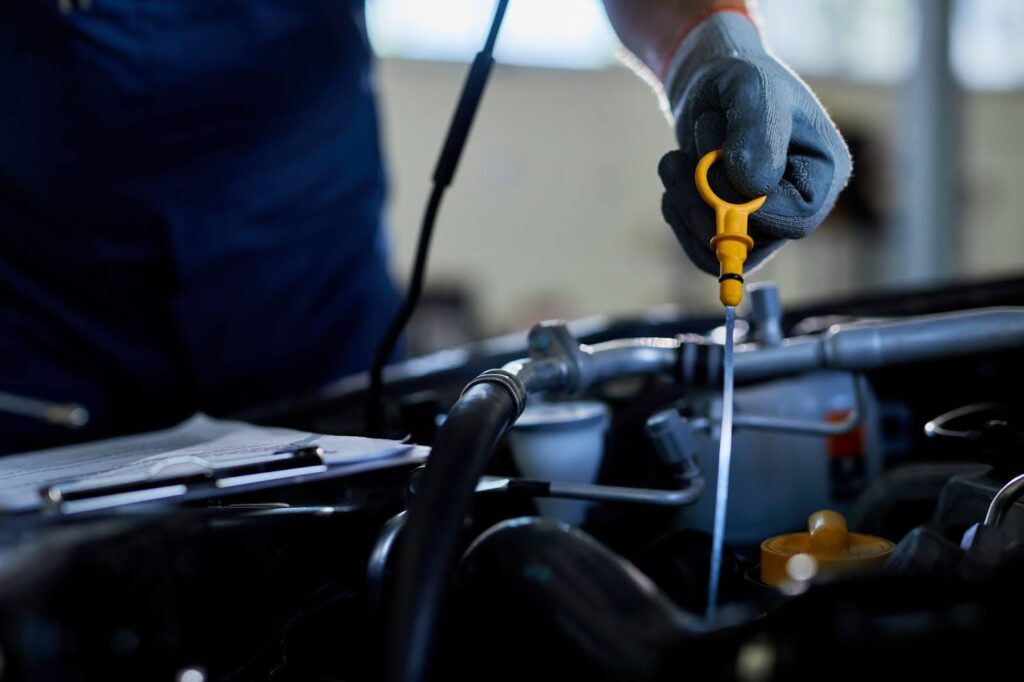
Oil sludge, which you’ll often notice on the dipstick or around the oil fill cap, typically means contaminants such as old oil, dirt, and even coolant are mixing into your engine oil. This sticky residue hampers the oil’s ability to lubricate properly, impacting your engine’s performance and potentially speeding up wear on crucial parts.
Finding metal shavings in the oil is equally worrying and tells a clear story: your engine is wearing down internally. These tiny metal pieces don’t stay put; instead, they travel through the engine, scratching and damaging other moving bits, making things worse at each stage.
Don’t ignore these signals—getting your diesel engine promptly inspected by an experienced mechanic in Townsville will help you avoid heftier repair costs and keep your engine humming along at its best.
Rising Fuel or Coolant Consumption
If you’ve noticed your diesel engine is thirstier than usual, it might be a clue that it’s struggling to burn fuel efficiently. Dirty air filters cut off the airflow, spoiling the combustion process and forcing your engine to work overtime, which means you’ll be spending more on fuel. And if your injectors aren’t timed correctly or adjusted properly, they’ll throw off the fuel-to-air mix, compounding the problem.
On the other hand, a sudden increase in coolant consumption usually means there’s a leak or a fault lurking in your cooling system. Damaged hoses, a dodgy radiator, or a thermostat that’s given up will all let coolant escape, setting the stage for overheating and other serious engine worries. Staying vigilant and getting your diesel checked regularly by a skilled diesel mechanic in Townsville is the best way to catch and fix these issues before they drain your wallet or cause you bigger headaches.
Important Reminders
Regular check-ups aren’t just about ticking boxes—they’re vital for keeping your diesel engine reliable and efficient. Routine servicing catches minor faults and early signs of wear, allowing your trusted diesel mechanics in Townsville to address issues before they spiral into expensive problems. Acting quickly when something feels off doesn’t only boost your engine’s performance—it saves you from those painful, wallet-draining repairs that nobody wants.