
How to Build a Diesel Fleet Maintenance Plan That Actually Works

Why diesel maintenance matters for fleets
Diesel fleet servicing keeps multiple vehicles running smoothly through scheduled, preventive maintenance. Instead of waiting for problems to surface, this approach tackles potential issues before they cause expensive breakdowns.
Following service intervals based on mileage, engine hours, and operating conditions prevents minor problems from turning into major headaches. Regular maintenance dramatically cuts the risk of unexpected failures that lead to missed jobs, idle workers, and lost income.
The benefits extend beyond avoiding breakdowns. Well-serviced vehicles use less fuel and last longer, which directly impacts your bottom line. Regular checks ensure brakes, tyres, and other safety-critical systems meet Australian roadworthy standards.
Keeping detailed service records also protects resale values when it’s time to upgrade your fleet. For any business that depends on reliable diesel vehicles, consistent maintenance isn’t optional – it’s essential for staying competitive and profitable.
What a comprehensive diesel service includes
A proper diesel service checks every major system to keep your vehicle performing at its best. Fresh oil and filters go in first, using lubricants specifically made for diesel engines.
These specialised oils handle the heat, soot, and heavy work that would break down regular engine oil. This simple step alone can add years to your engine’s life.
The fuel system gets thorough attention next. A new fuel filter stops dirt and debris from reaching your injectors, while technicians check for water contamination that can cause serious damage.
They’ll also test injector spray patterns because poor fuel delivery leads to expensive problems down the track.
Air intake systems need cleaning to maintain proper airflow for efficient combustion. Blocked air filters force your engine to work harder, burning more fuel and producing higher emissions.
The cooling system inspection covers coolant condition and radiator health. This prevents overheating when you’re working hard or dealing with Australia’s hot climate.
Brake checks cover pads, rotors, fluid levels, and warning systems. Suspension components and tyres get inspected for wear patterns that might indicate alignment issues or overloading.
Modern diagnostic scanners reveal fault codes hiding in your vehicle’s computer system. These early warnings help catch problems before they leave you stranded.
City driving and short trips can clog your diesel particulate filter, so this gets special attention during servicing. Heavy-use vehicles might need extra checks on turbochargers, gearboxes, and drive components.
Supporting systems like belts, hoses, and batteries are inspected for early warning signs of failure. This thorough approach prevents unexpected breakdowns and keeps your fleet meeting Australian safety standards. A trusted diesel mechanic in Townsville ensures all these critical components receive the professional attention they deserve.
Why regular maintenance is business-critical
Regular maintenance is essential for businesses relying on diesel vehicles, as unplanned downtime often leads to missed deliveries, unproductive staff, and even loss of contracts or damage to reputation. Scheduled servicing significantly reduces these risks by catching issues before they result in costly breakdowns.
Keeping diesel engines and components well maintained improves fuel efficiency, which directly lowers operating costs. It also helps businesses avoid major repair bills by addressing wear and tear early, eliminating preventable high-cost failures.
Recorded service histories and consistent care extend the lifespan of engines, transmissions, and other key components, resulting in a better return on investment and supporting higher resale values when assets are upgraded.
Routine checks of brakes, tyres, and emissions systems are integral to meeting strict Australian safety and compliance standards. This minimises the risks of fines, failed inspections, and unsafe operation.
Regular maintenance also reduces exposure to diesel-specific issues, such as wet stacking caused by prolonged idling, which can severely impact engine efficiency and lead to expensive repairs over time.
By maintaining a structured servicing schedule, businesses keep their fleets reliable, cost-effective, and compliant, protecting both day-to-day operations and long-term profitability.
Designing the right service schedule for your fleet
Set intervals by usage and conditions
Service intervals for diesel fleets need to match how you actually use your vehicles and where they operate. Base your maintenance schedule on mileage, engine hours, and manufacturer recommendations, but always adjust for real-world conditions.
Vehicles hauling heavy loads, doing lots of stop-start city driving, or working on dusty regional sites need servicing more often than those running lighter loads on sealed roads.
High-use assets or those working in tough environments like construction sites often need additional checks monthly. Regular monitoring of fuel system cleanliness, brake wear, and cooling system health helps you stay ahead of problems that Australia’s climate and road conditions can create.
Follow manufacturer service schedules exactly, particularly for critical items like coolant flushes and transmission services. Skipping these can lead to expensive premature failures.
Telematics systems can automatically remind you when vehicles are due based on kilometres, engine hours, or time elapsed. This lets you adjust service intervals for each vehicle’s actual workload and operating risks rather than using a one-size-fits-all approach.
Leverage digital tools for consistency
Digital fleet maintenance tools transform how you manage service schedules by dramatically reducing human error and boosting consistency. Fleet maintenance software tracks precisely when each vehicle needs attention based on kilometres, engine hours, or time intervals.
Automated reminders stop you from missing due dates and help you plan vehicle downtime without disrupting operations. All service records and inspection histories live in one central location, making compliance with Australian safety standards straightforward to demonstrate.
Advanced diagnostics reveal patterns like recurring fault codes or rising fuel consumption before they become expensive problems. This data helps you fine-tune service intervals for each vehicle’s actual workload and conditions rather than using generic schedules.
Digital reporting gives you a clear picture of all fleet maintenance activity at a glance. This visibility helps with budgeting, spots rising operating costs early, and keeps decision-makers informed about each vehicle’s condition.
The result is lower total cost of ownership and improved fleet reliability across your entire operation.
Operational red flags that signal the need for more frequent servicing
Rising fuel consumption or sluggish performance from your drivers often points to engine or fuel system problems that need attention sooner rather than later. These issues rarely fix themselves and typically get worse without proper servicing.
Repeated diesel particulate filter warning lights or visible soot build-up signal unresolved combustion problems. This is particularly common in vehicles doing lots of idling or stop-start city work, where DPF blockages become expensive headaches.
Premature or uneven tyre wear suggests poor load distribution or alignment issues. Both problems affect road safety and increase your operating costs through faster tyre replacement cycles.
Persistent cooling problems, like engines overheating under load, indicate deeper issues that need thorough inspection. Ignoring these warnings often leads to catastrophic engine failures that could have been prevented.
Regular water contamination in fuel system separators or frequent fuel filter clogging shows you’ve got fuel quality problems. These issues damage injectors and compromise reliability across your fleet.
Starting difficulties or electrical problems, including weak batteries and corroded terminals, are clear signs that your maintenance checks aren’t happening often enough. These problems tend to cascade into bigger issues quickly.
Vehicles failing roadworthy or compliance checks highlight gaps in your maintenance routine. This puts your business operations at risk and can result in costly fines or insurance complications.
Monitoring these warning signs closely helps you adjust service intervals before small problems become expensive disasters. This approach keeps your fleet reliable, compliant, and profitable.
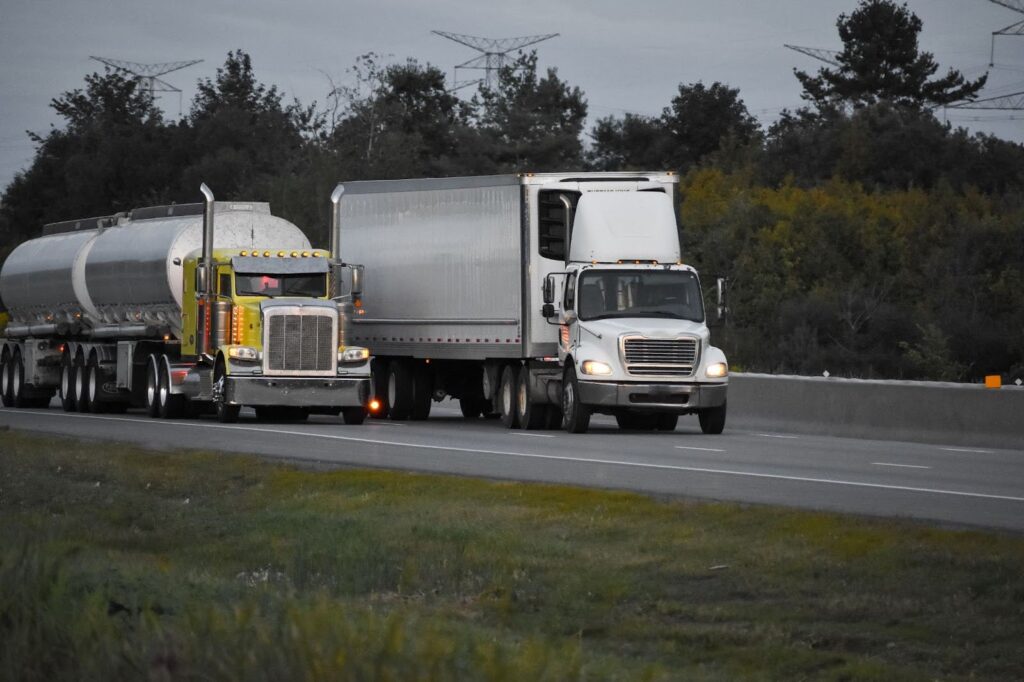
Best-practice maintenance checklist for diesel fleets
Change engine oil and oil filters at manufacturer-recommended intervals, always using diesel-specific oils that handle the extra heat and soot these engines produce. Replace fuel filters and drain water separators regularly to stop water or particle contamination from damaging injectors and pumps.
Check and clean or replace air filters frequently, and inspect intake hoses for cracks or leaks. This ensures proper airflow and prevents unfiltered air from entering your engine.
Monitor coolant levels and condition weekly, keep radiator fins clean, and use only the correct coolant for your fleet. This protection against overheating becomes especially critical in Australia’s harsh climate conditions.
Inspect belts, hoses, and batteries monthly. Replace any worn or cracked parts straight away and clean battery terminals to prevent electrical faults.
Minimise extended idling to prevent wet stacking, and ensure engines reach full operating temperature during each duty cycle. This prevents incomplete combustion that can damage exhaust systems.
Use quality fuel and suitable additives periodically to help keep injectors clean. Schedule professional inspections and run diagnostics according to manufacturer guidelines to catch issues early.
Include regular checks of brakes, suspension, tyres, wheel alignment, and the diesel particulate filter during maintenance visits. Always maintain accurate service records for every vehicle to support compliance, operational safety, and future resale value.
Safety, compliance, and asset value implications
Routine brake, tyre, and emissions checks keep you compliant with Australian roadworthy standards and help avoid failed inspections. Regular examinations catch worn brakes, underinflated tyres, and emissions faults before compliance officers flag them during roadside checks.
Staying on top of diesel particulate filter maintenance and emissions controls prevents regulatory fines and costly unplanned downtime. Catching DPF blockages early means your vehicles stay legally compliant whilst avoiding expensive repairs that could sideline them for days.
Thorough service records prove invaluable during audits and significantly boost resale values. Potential buyers and compliance auditors both look for complete maintenance documentation as evidence of proper vehicle care.
A strong fleet safety culture starts with drivers who report defects promptly. When your team spots brake issues, tyre problems, or dashboard warning lights quickly, you can fix small problems before they become safety hazards or compliance failures.
Well-maintained records also protect you legally if accidents occur, demonstrating your commitment to vehicle safety and regulatory compliance.
From policy to practice: an operator’s action plan
A solid operator action plan starts with adopting a preventive maintenance policy that fits each vehicle’s usage patterns, work environment, and manufacturer guidelines. Service intervals must be adjusted according to factors like engine hours, driving conditions such as frequent stop-start urban routes or dusty regional roads, and payloads.
Standardising inspections and maintenance job cards across all vehicle types within your fleet ensures consistent service quality and minimises overlooked issues.
Deploying telematics and digital maintenance platforms streamlines service scheduling and provides instant visibility into diagnostics, maintenance histories, and cost tracking. These systems automate reminders linked to kilometres travelled, engine run hours, or time elapsed, driving both compliance and efficiency.
Operators should track core performance metrics, including vehicle downtime, running cost per kilometre, average fuel consumption, frequency of fault codes, and diesel particulate filter regeneration events. This data enables targeted interventions before minor issues escalate into costly failures.
Preventive maintenance should be a budgeted line item, with resources allocated to address wear proactively. This reduces the likelihood of disruptive and expensive corrective repairs.
Training drivers is also vital. They should be equipped to identify and report early warning signs such as sluggish performance, unusual noises, or dashboard alerts.
Instilling good driving habits like minimising excessive idling slows wear on engines and emissions systems. This directly supports fleet availability and cost control.