
What Every Diesel Owner Must Check to Avoid Costly Breakdowns

Preventative maintenance is the backbone of diesel vehicle ownership in Townsville. It’s your first line of defence against those dreaded breakdowns that leave you stuck on the Bruce Highway with a repair bill that’ll make your eyes water.
Regular checks catch the small stuff before it turns nasty. That tiny oil leak or worn belt might seem harmless, but ignore it and you’re looking at thousands of pounds in repairs when your engine decides it’s had enough.
For commercial operators running freight between Townsville and Cairns, a single breakdown isn’t just inconvenient – it’s a business killer. Lost revenue, missed deliveries, and angry customers can tank your reputation faster than you can say “roadside assistance”.
But here’s the thing: consistent maintenance does more than just prevent disasters. A properly serviced diesel engine will outlast a neglected one by years, sometimes decades. Finding a reliable diesel mechanic in Townsville ensures your vehicle receives the expert care it needs to achieve this longevity.
Those regular oil changes and filter replacements you might be tempted to skip? They’re keeping your fuel economy sharp. Studies show that poorly maintained diesels can lose up to 20% fuel efficiency – that’s money straight out of your pocket every time you fill up.
And let’s not forget safety. Your brakes, steering, and suspension aren’t just there for comfort – they’re keeping you and everyone else on Queensland roads alive. Regular checks ensure these critical systems work when you need them most.
The bottom line? A well-maintained diesel truck is reliable, efficient, and safe. It’ll serve you faithfully through scorching summers and torrential wet seasons, delivering consistent performance year after year.
Understanding Preventative Maintenance for Diesel Vehicles
Preventative maintenance is all about getting ahead of the game. Rather than waiting for that dreaded knocking sound or finding a puddle under your truck, it’s about systematic checks and servicing at set intervals.
This proactive approach keeps your diesel engine and all its supporting systems running like a dream.
Think of it as regular health checks for your vehicle. Just as you wouldn’t wait until you’re seriously ill to see a doctor, preventative maintenance catches potential issues whilst they’re still minor and manageable.
The benefits? They’re substantial and measurable.
Routine inspections slash vehicle downtime – crucial for commercial operators who can’t afford trucks sitting idle. When you spot a worn component during scheduled service, you can replace it at your convenience rather than dealing with an emergency breakdown that throws your entire operation into chaos.
The financial savings are equally impressive. Regular maintenance can save thousands in repair costs by preventing catastrophic failures.
Reliability improvements might be the most valuable outcome. A diesel vehicle on a proper maintenance schedule delivers consistent, predictable performance.
You can trust it to start on cold mornings, maintain power under load, and complete long hauls without drama. This reliability translates directly into operational efficiency for businesses and peace of mind for private owners.
The data backs this up convincingly. Vehicles following preventative maintenance schedules experience up to 75% fewer breakdowns than those serviced only when problems occur.
They also maintain better fuel economy throughout their service life, with properly maintained diesel engines avoiding the 20% efficiency loss that plagues neglected vehicles.
For fleet operators, these benefits multiply across every vehicle. Reduced downtime means more billable hours, fewer emergency callouts mean predictable maintenance budgets, and reliable vehicles mean satisfied customers who keep coming back.

Establishing a Maintenance Schedule
Daily checks form the foundation of diesel vehicle maintenance. Before firing up your engine each morning, take five minutes for a quick walk-around.
Check tyre pressure and condition, inspect fluid levels including engine oil, coolant, and brake fluid, and ensure all lights work properly. These simple checks can prevent major breakdowns and keep you operating safely on North Queensland roads.
Weekly maintenance digs deeper into your vehicle’s health. Set aside time to thoroughly examine fluid levels, checking not just quantity but quality.
Dark or contaminated fluids signal trouble brewing. Give your air and fuel filters a visual inspection – if they look clogged or dirty, address them immediately. Check belt tension and condition, looking for cracks or fraying that could lead to failure.
Monthly checks require more comprehensive attention. Inspect your brake system thoroughly, including pad thickness and disc condition.
Examine belts and hoses for wear, checking for soft spots, cracks, or bulging that indicate imminent failure. If your coolant system needs flushing, monthly intervals provide the perfect opportunity. Don’t forget to inspect your exhaust system for leaks or damage that could affect performance and emissions.
Every six months or 10,000 miles marks a critical maintenance milestone. Change your engine oil and oil filter without fail – this single action does more to protect your diesel engine than almost any other maintenance task.
Replace the air filter to maintain optimal combustion and fuel efficiency. Have your transmission and differential fluids checked and serviced as needed. This semi-annual service interval catches wear patterns before they develop into expensive problems.
Annual maintenance represents your most thorough inspection. Schedule a comprehensive check covering everything from engine internals to suspension components.
Inspect the turbocharger, test the cooling system under pressure, examine the exhaust system thoroughly, and check all suspension and steering components. Replace the fuel filter and drain the fuel/water separator. Service the air dryer desiccant cartridge if your vehicle has air brakes.
This structured approach to maintenance transforms reactive repairs into proactive care. By following these daily, weekly, monthly, semi-annual, and annual checks, you’ll catch minor issues before they escalate into major failures.
Small problems like a loose belt or low fluid level can be addressed for pounds rather than thousands when caught early.
Regular inspections also reveal wear patterns unique to your driving conditions and usage. A delivery truck making frequent stops will show different wear than a long-haul vehicle, and your maintenance schedule can be fine-tuned accordingly.
This predictive element of planned maintenance keeps you ahead of potential failures, ensuring your diesel vehicle remains reliable and efficient throughout its service life.
Core Maintenance Tasks
Oil and Filter Upkeep
Regular oil changes form the foundation of diesel engine longevity. Unlike petrol engines, diesels operate under extreme pressures and temperatures, placing enormous stress on engine oil.
This harsh environment causes oil to break down faster, losing its lubricating properties and allowing harmful contaminants to accumulate.
Fresh oil provides critical protection for internal components, reducing friction between moving parts and carrying away heat. It also suspends combustion by-products and metal particles, preventing them from settling and causing damage.
Without regular changes, this protective barrier deteriorates, leaving your engine vulnerable to accelerated wear.
The frequency of oil and filter replacements directly impacts engine lifespan. Diesel engines tend to consume oil more rapidly than their petrol counterparts, making regular level checks between services essential.
Running low on oil, even briefly, can cause irreversible damage to bearings, cylinder walls, and other critical components.
Oil filters play an equally vital role in engine protection. As oil circulates through the engine, it collects microscopic metal shavings, carbon deposits, and other contaminants.
The filter traps these particles, preventing them from recirculating and causing abrasive wear. However, filters have limited capacity – once saturated, they can no longer protect your engine effectively.
Neglecting oil and filter changes invites catastrophic failure. Sludge build-up restricts oil flow to critical areas, starving components of lubrication.
This leads to increased friction, overheating, and eventual seizure. The repair bill for a seized engine often exceeds the vehicle’s value, making prevention through regular maintenance the only sensible approach.
Modern diesel engines are particularly sensitive to oil quality. High-pressure fuel injection systems and turbochargers operate within tight tolerances, requiring clean oil for proper function.
Contaminated oil can damage these precision components, resulting in poor performance, increased fuel consumption, and expensive repairs.
The investment in regular oil and filter changes pays dividends through extended engine life, maintained fuel efficiency, and reliable operation. Following manufacturer recommendations for service intervals ensures your diesel engine receives the protection it needs to deliver years of dependable service.
Fuel System and Water Separator
Fuel filters in diesel engines demand strict replacement schedules. These filters work harder than their petrol counterparts, removing microscopic contaminants that can destroy high-pressure injection systems.
Most diesel vehicles feature two fuel filters – a primary filter between the tank and engine, and a secondary filter closer to the injection pump. Both trap particles measured in microns, protecting precision components that operate under pressures exceeding 30,000 PSI.
Clogged filters restrict fuel flow, starving your engine of the diesel it needs for proper combustion. This leads to rough idling, power loss, and difficulty starting – symptoms that worsen progressively until the engine won’t run at all.
More concerning is the damage occurring inside your injection system. When filters can’t remove contaminants, these particles act like liquid sandpaper, scoring injector nozzles and pump components.
Repair costs for damaged injectors can reach thousands of pounds per unit.
The water separator deserves equal attention in preventing engine contamination. Water naturally accumulates in diesel fuel through condensation, particularly in Townsville’s humid climate where temperature fluctuations are common.
This water poses serious threats to your diesel engine. It promotes bacterial growth that forms acidic sludge, corrodes metal components, and causes injector failure.
During combustion, water turns to steam, creating pressure spikes that can crack injector tips.
Draining the water separator takes minutes but prevents catastrophic damage. Most separators feature a clear bowl showing accumulated water, with a simple drain valve at the bottom.
Regular draining removes this water before it enters the fuel system.
Commercial operators running coastal routes face additional challenges. Salt-laden air accelerates corrosion when combined with fuel system moisture.
Weekly water separator checks become essential for vehicles operating near Townsville’s port facilities.
The false economy of extending filter replacement intervals inevitably leads to expensive repairs. A fuel filter replacement prevents thousands in injection system repairs.
Similarly, neglecting water separator maintenance invites corrosion and component failure that far exceed the minimal time investment required for proper servicing.
Cooling System Checks
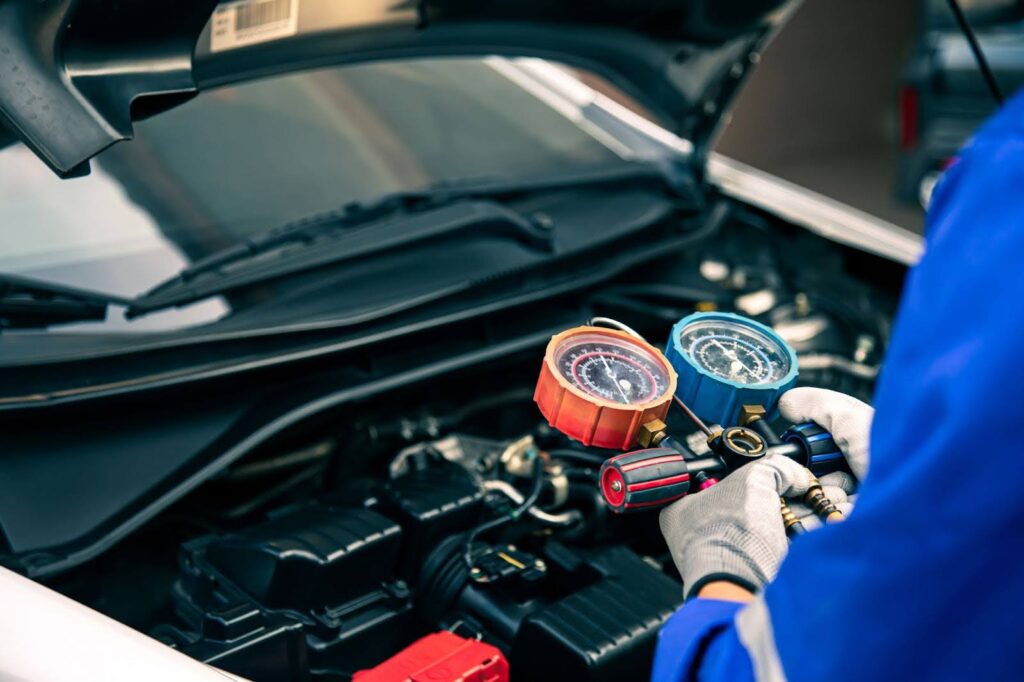
The cooling system is your diesel engine’s lifeline – without it, you’re looking at warped cylinder heads, cracked engine blocks, and destroyed internals in minutes flat. Regular coolant checks stand between you and these wallet-destroying failures.
Always check coolant levels with a cold engine. The reservoir should sit between the minimum and maximum marks.
If it’s low, you’ve got a leak that needs sorting immediately. Even small losses add up fast, especially when you’re hauling heavy loads through Townsville’s heat.
But here’s the thing – quantity alone won’t cut it. Fresh coolant packs corrosion inhibitors and additives that protect your engine’s internal passages from rust and scale.
As these additives break down over time, your cooling system becomes vulnerable to internal corrosion that chokes flow and hampers heat transfer.
Run your hands along every hose during inspections. Feel for soft spots, bulges, or brittleness – these are your early warning signs before a roadside disaster.
Check those hose clamps too. A loose clamp can dump your entire coolant supply in seconds, leaving you stranded.
The lower radiator hose cops the worst abuse, dealing with constant heat cycling and vacuum forces. Cracks love to start where hoses flex during engine movement.
Don’t forget the heater hoses running to your cabin – a failure here means scalding coolant flooding your interior.
Leak detection needs a systematic approach. Common culprits include the water pump weep hole, radiator tank seams, hose connections, and that often-forgotten radiator cap seal.
Green or orange stains scream active leak. White residue? That’s evidence of previous coolant loss.
The thermostat housing’s gasket surface frequently springs leaks. Temperature sensors and drain plugs create sneaky leak paths when their seals give up.
Even minor seepage demands action – small leaks turn catastrophic under pressure.
Components often fail gradually before giving up completely. A water pump with excessive shaft play still moves coolant, just not enough to keep things cool.
Partially blocked radiator cores restrict airflow, causing temperature creep that stresses everything.
That humble radiator cap maintains critical system pressure. A weak cap lets coolant boil at lower temperatures, creating steam pockets that block proper heat transfer.
Testing cap pressure during routine maintenance prevents unexpected overheating dramas.
Belt-driven fans need smooth bearings – worn ones create vibrations that damage water pumps and other components. Electric fans require electrical connection checks to ensure they kick in when temperatures climb.
For vehicles with viscous fan clutches, proper engagement becomes crucial in Queensland’s heat. A slipping clutch won’t pull enough air through the radiator, causing overheating under load despite an otherwise healthy cooling system.
Air Filter Care
Proper air filter maintenance protects your diesel engine from premature wear whilst ensuring optimal combustion efficiency. A clean air filter allows your engine to breathe freely, maintaining the precise air-fuel mixture required for peak performance and fuel economy.
Diesel engines consume massive volumes of air – up to 15,000 litres per litre of fuel burned. This air must be spotlessly clean, as even tiny dust particles act like grinding paste inside your cylinders.
Your air filter stands as the sole barrier between destructive contaminants and precision engine components operating under extreme pressures.
Clogged filters strangle your engine, forcing it to work harder to draw in combustion air. This increased effort translates directly into higher fuel consumption, reduced power output, and excessive exhaust smoke.
In Townsville’s dusty conditions, particularly during the dry season, filters can become saturated surprisingly quickly.
The replacement process demands strict safety protocols. Always switch off your engine completely before attempting any air filter work.
A running diesel engine creates phenomenal suction at the air intake – powerful enough to pull tools, rags, or debris straight into the turbocharger or cylinders. This suction force can cause catastrophic damage in milliseconds, turning a simple maintenance task into an engine rebuild.
Modern diesel engines often feature dual-stage filtration systems. The primary filter captures larger particles, whilst the secondary element removes finer contaminants.
Both elements require simultaneous replacement to maintain filtration efficiency. Attempting to clean and reuse paper filter elements is false economy – the minimal savings aren’t worth risking engine damage.
Visual inspection alone won’t reveal a filter’s true condition. What appears relatively clean might be restricting airflow significantly.
Following manufacturer-specified replacement intervals ensures consistent engine protection regardless of apparent condition.
For vehicles operating in dusty environments like construction sites or rural properties around Townsville, more frequent replacements become essential. Double your inspection frequency and halve replacement intervals when consistently exposed to high dust levels.
The extra filter costs pale compared to potential engine damage from contaminated air.
Electronic sensors monitor air filter restriction in many modern diesels, triggering dashboard warnings when replacement is needed. These warnings demand immediate attention – continuing to operate with a severely restricted filter can damage turbochargers and increase cylinder wear dramatically.
Brake and Tyre Maintenance
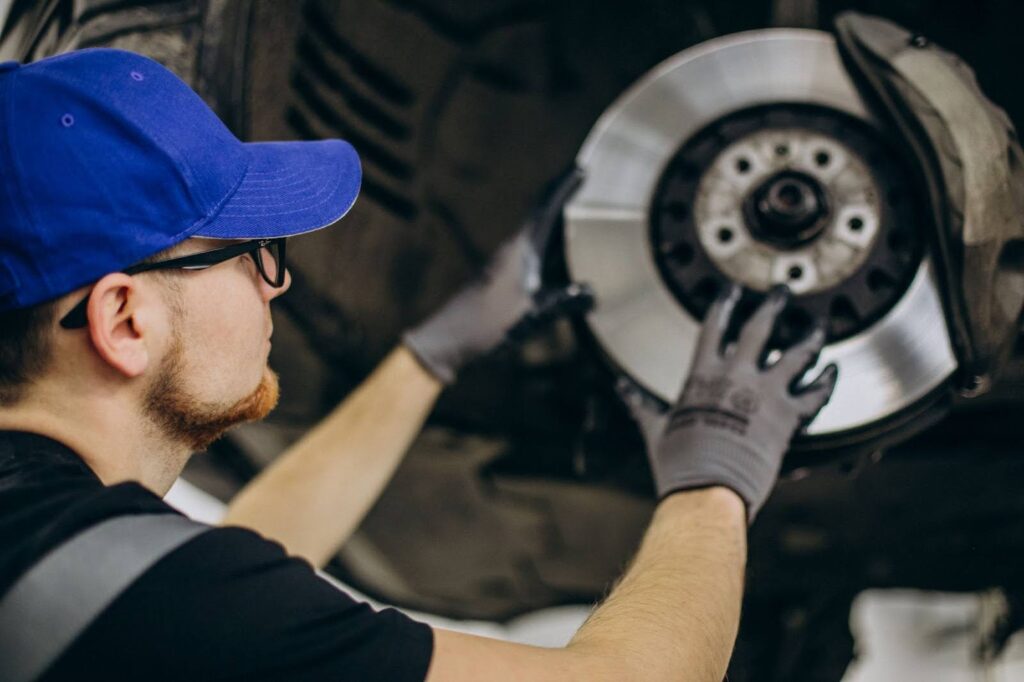
Regular brake inspections are absolutely non-negotiable for diesel vehicle safety. Whether you’re running air or hydraulic systems, systematic checks keep your stopping power sharp when you need it most.
For air brake systems, start with the brake chambers and air lines. You’re looking for damage, loose fittings, or any sign of air leakage that’ll rob your stopping power.
Check that brake lining thickness – anything below manufacturer specs needs immediate replacement. Worn pads don’t just reduce braking performance; they’ll chew through expensive rotors and drums like nobody’s business.
Automatic slack adjusters (ASAs) need verification at every inspection. These self-adjusting bits maintain proper brake shoe clearance, but they can fail without warning.
Manual checking ensures they’re working properly and haven’t seized up on you.
Air system contamination poses serious risks to your safety and wallet. Drain those air tanks regularly to clear out moisture and oil that builds up from the compressor.
This contamination eats brake components from the inside out, leading to sudden failures that put lives at risk.
Hydraulic brake systems need equally thorough attention. Check your master cylinder fluid level and condition – dark or contaminated fluid means moisture absorption that’ll slash your braking efficiency.
Inspect all hydraulic lines for bulging, cracks, or wetness that signals trouble brewing.
Brake pedal feel tells you loads about system health. Excessive travel, sponginess, or needing more effort to stop all point to problems developing.
A firm pedal that gradually sinks? That’s internal master cylinder wear demanding immediate attention.
Tyre maintenance directly impacts fuel economy and vehicle control. Proper inflation pressure isn’t just about preventing blowouts – every 10 PSI below recommendation increases fuel consumption by roughly 1%.
For a diesel truck covering serious kilometres, that’s money disappearing with every trip.
Check pressures when tyres are cold for accurate readings. Hot tyres show falsely high pressures that lead to under-inflation once they cool down.
Don’t forget that spare – a flat spare is useless when you need it most.
Tread depth affects more than just wet weather grip. Shallow treads increase rolling resistance, forcing your engine to work harder and burn more fuel.
The legal minimum of 1.6mm isn’t good enough for commercial operations – replace tyres at 3mm to maintain efficiency and safety.
Irregular wear patterns reveal alignment and suspension issues that waste fuel and destroy tyres prematurely. Inner or outer edge wear indicates alignment problems, whilst centre wear suggests over-inflation.
Cupping or scalloping points to worn suspension components that need immediate attention.
Dual wheel assemblies require special attention. Mismatched pressures between duals cause the properly inflated tyre to carry excessive load, leading to premature failure.
Check that duals are properly mated with matching tread depths and patterns for even load distribution.
Valve stem caps might seem trivial, but they prevent moisture and debris entering the valve core. A missing cap allows contamination that causes slow leaks and pressure loss.
Metal caps provide better protection than plastic in commercial applications.

Driving Habits and Operational Practices
If you’re not putting your diesel vehicle through its paces regularly, you need to fire it up at least once a month. This isn’t just about turning the key and letting it idle for five minutes – your diesel engine needs a proper run to reach its optimal operating temperature.
Take it for a decent drive, long enough for the engine to fully warm up and all systems to reach their working temperatures. This monthly exercise prevents fuel system components from gumming up and keeps seals from drying out and cracking.
For diesel owners who only use their trucks for occasional heavy hauling or towing, this monthly run becomes even more critical. Diesels that sit idle for extended periods develop problems that active vehicles simply don’t face – moisture accumulation in the fuel system, battery degradation, and seal deterioration all accelerate when your vehicle sits unused.
Perhaps the most costly mistake any diesel owner can make is accidentally filling up with petrol. It happens more often than you’d think – you’re in a rush, following old habits, or simply not paying attention at the bowser.
The consequences of this error are severe and immediate. Petrol strips away the lubricating properties diesel fuel provides to your injection system.
Running even a small amount of petrol through your diesel engine causes metal-on-metal contact in the fuel pump and injectors, creating microscopic metal shavings that contaminate the entire fuel system.
The damage bill from misfuelling typically starts at several thousand pounds and can easily exceed five figures for modern common-rail systems. Fuel pumps, injectors, fuel lines, and filters all require replacement once contaminated with petrol.
If you realise your mistake before starting the engine, you’ve dodged a bullet – the tank can be drained and flushed for a fraction of the cost. But turn that key and circulate petrol through your high-pressure injection system, and you’re looking at one of the most expensive mistakes you can make as a diesel owner.
DIY vs. Professional Servicing
Several diesel maintenance tasks sit comfortably within the reach of owners willing to roll up their sleeves. Checking and replacing air filters tops the list of DIY-friendly jobs that’ll save you money whilst keeping your engine breathing freely.
Start with visual inspections of your air filter every month. Remove the filter element and hold it up to bright light – if you can’t see light passing through, it’s replacement time.
The process is straightforward: release the clips on the air filter housing, remove the old element, and install the new one ensuring it sits properly. Just remember to work with the engine completely switched off – the suction from a running diesel engine is powerful enough to pull debris straight into your turbocharger.
Fluid level checks are another essential task any owner can master. Engine oil, coolant, brake fluid, and windscreen washer levels all need regular monitoring.
Use the dipstick to check oil with the engine cold and on level ground, ensuring levels sit between minimum and maximum marks. Similarly, coolant reservoir levels are easily visible through the translucent tank – just never open a hot radiator cap.
Tyre pressure checks and adjustments require nothing more than a quality gauge and access to compressed air. Check pressures when tyres are cold for accurate readings, adjusting to manufacturer specifications found on the door jamb sticker.
This simple task improves fuel economy and extends tyre life significantly.
Battery maintenance falls squarely in DIY territory. Clean corroded terminals with a wire brush and baking soda solution, check electrolyte levels in serviceable batteries, and ensure connections remain tight.
These basic steps prevent starting problems and extend battery life.
However, when symptoms point to complex issues, it’s time to call in qualified diesel technicians. Injection system problems, turbocharger faults, and electronic diagnostics require specialised tools and expertise that go well beyond DIY capabilities.
Strange engine noises, excessive smoke, power loss, or warning lights all warrant professional investigation. Modern diesel engines rely on precise fuel injection timing and pressures measured in tens of thousands of PSI – attempting repairs without proper training risks catastrophic damage.
Brake system repairs, beyond basic pad replacement, demand professional attention for safety reasons. Air brake systems particularly require certified technicians who understand these critical safety systems.
The bottom line is this: stick to preventative maintenance and basic checks, but leave diagnostics and complex repairs to qualified professionals. The money saved attempting advanced repairs yourself rarely justifies the risk of causing expensive damage or compromising safety.
Essential Reminders for Diesel Owners
A structured maintenance schedule transforms costly emergency repairs into manageable routine servicing. It’s the difference between a belt replacement and an engine rebuild.
Regular maintenance preserves fuel efficiency brilliantly. Properly serviced diesel engines dodge that 20% efficiency loss that hits neglected vehicles – and for commercial operators covering thousands of kilometres monthly, this adds up to serious money saved year after year.
Your diesel’s resale value lives or dies by its maintenance history. Buyers don’t mess about when it comes to service records.
A well-documented maintenance schedule can add thousands to your vehicle’s value. Skip services? Watch your resale price plummet, regardless of how good the truck looks.
Major mechanical failures rarely appear from nowhere. That catastrophic engine failure you’re dreading probably started as a minor oil leak or worn belt that regular inspections would’ve caught months earlier.
Small problems caught during scheduled maintenance cost pounds. Ignore them, and you’re looking at thousands when everything goes pear-shaped.
The safety benefits are massive. Your brake system, steering components, and suspension work together to keep you in control – especially crucial when hauling heavy loads through wet conditions.
Regular inspections ensure these critical systems perform when you need split-second responses most.
Fleet operators, listen up: preventative maintenance transforms unpredictable repair costs into manageable budgets. Instead of scrambling to cover emergency repairs that destroy cash flow, you’re dealing with predictable servicing costs you can actually plan for.
The data doesn’t lie – vehicles following preventative maintenance schedules experience up to 75% fewer breakdowns than those serviced reactively. Your diesel stays on the road earning money rather than sitting in repair shops.
That’s the kind of reliability that keeps customers happy and protects your business reputation.
Here’s the bottom line: every minute spent on preventative maintenance saves hours of roadside breakdowns and days of workshop repairs. Those small investments in regular servicing pay you back through extended vehicle life, maintained performance, and genuine peace of mind.
Your diesel will start reliably and complete every journey safely – that’s what proper maintenance delivers.